
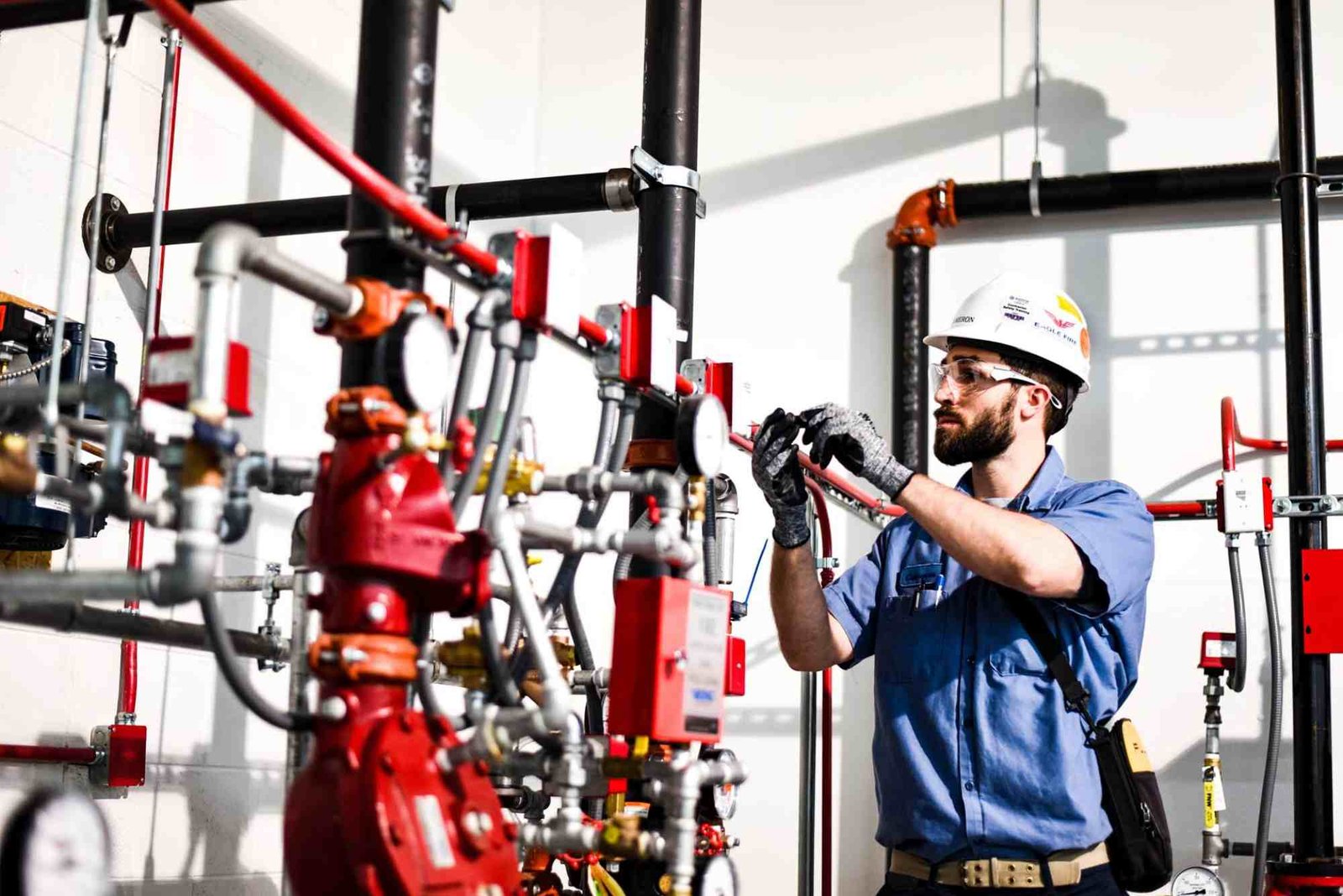
Professional Fire Alarm Systems
Professional fire alarm systems are essential for protecting lives, property, and business operations. In today’s world, fire safety is not optional. Whether you manage a commercial building, office, warehouse, hotel, or residential complex, a reliable fire detection system reduces risk and ensures rapid emergency response. Modern businesses face strict safety regulations. Therefore, installing professional fire alarm systems has become a critical investment rather than an added expense. These systems detect smoke, heat, or flames early and alert occupants before a fire spreads. As a result, businesses can minimize damage, avoid downtime, and save lives. Fire accidents often happen without warning. However, advanced fire alarm technology offers continuous monitoring and faster detection. This improves safety standards and helps property owners stay compliant with local fire codes and insurance requirements.Why Professional Fire Alarm Systems Matter
Professional fire alarm systems provide a complete safety solution for buildings of all sizes. Unlike basic alarms, professional systems integrate advanced sensors, control panels, and emergency communication tools. They deliver accurate alerts while reducing false alarms. A professionally installed system ensures every area of a building receives proper coverage. This includes stairwells, storage areas, offices, kitchens, and electrical rooms. Furthermore, these systems can connect with sprinklers, emergency lighting, and security systems for enhanced protection. Businesses that ignore fire safety expose themselves to major financial and legal risks. Fire damage can destroy assets, interrupt operations, and harm a company’s reputation. Therefore, professional fire alarm systems are a proactive solution that protects both people and investments.How Professional Fire Alarm Systems Work
Professional fire alarm systems operate through a network of detectors and communication devices. The system continuously monitors environmental changes that may indicate fire or smoke.Smoke Detection Technology
Smoke detectors identify airborne particles created by combustion. Once smoke is detected, the alarm system activates immediately. This early warning gives occupants valuable time to evacuate safely. Modern detectors use intelligent technology to reduce unnecessary alerts caused by dust or steam. Consequently, businesses experience fewer disruptions while maintaining strong safety standards.Heat Detection Sensors
Heat detectors respond to sudden temperature increases. These devices are useful in environments where smoke detectors may trigger false alarms, such as kitchens or industrial facilities. Professional fire alarm systems often combine smoke and heat detection for maximum reliability. This layered approach improves response speed and accuracy.Control Panels and Monitoring
The control panel acts as the central brain of the system. It receives signals from detectors and activates alarms throughout the building. Many professional fire alarm systems also connect to monitoring centers. When an emergency occurs, the monitoring team immediately contacts emergency responders. This rapid communication can significantly reduce fire damage.Types of Professional Fire Alarm Systems
Different buildings require different fire protection strategies. Therefore, understanding system types helps businesses choose the right solution.Conventional Fire Alarm Systems
Conventional systems divide buildings into zones. When a detector activates, the control panel identifies the affected zone. These systems are suitable for smaller buildings because they are cost-effective and relatively simple to maintain.Addressable Fire Alarm Systems
Addressable systems identify the exact detector that triggered the alarm. This allows emergency responders to locate the fire quickly. Large commercial properties often prefer addressable professional fire alarm systems because they provide greater accuracy and advanced monitoring capabilities.Wireless Fire Alarm Systems
Wireless systems use radio communication instead of extensive wiring. They are ideal for historic buildings, temporary sites, or facilities where traditional installation is difficult. Additionally, wireless technology reduces installation time and minimizes disruption during setup.Benefits of Installing Professional Fire Alarm Systems
Professional fire alarm systems offer more than basic protection. They deliver long-term operational and financial benefits.Improved Safety for Occupants
The primary purpose of any fire alarm system is protecting lives. Early detection allows people to evacuate safely before conditions become dangerous. In busy workplaces or public buildings, quick alerts are critical during emergencies.Compliance With Fire Safety Regulations
Most countries require commercial properties to meet strict fire safety standards. Professional fire alarm systems help businesses comply with these legal requirements. Failure to follow regulations can lead to fines, lawsuits, or forced closures. Therefore, investing in proper fire protection supports business continuity.Reduced Property Damage
Fast fire detection limits the spread of flames and smoke. As a result, businesses can reduce repair costs and protect valuable equipment or inventory. Insurance companies also favor buildings equipped with professional fire alarm systems. In many cases, this may lower insurance premiums.24/7 Monitoring and Reliability
Modern systems operate continuously and provide real-time alerts. Even when buildings are empty, monitored systems ensure emergency services receive notifications immediately. This constant protection offers peace of mind for property owners and managers.Choosing the Right Professional Fire Alarm Systems
Selecting the right system depends on building size, occupancy, and operational needs. A professional fire safety assessment helps identify the best solution. Businesses should consider scalability, maintenance requirements, and integration options before installation. Future expansion is also important. A flexible system allows easy upgrades as the property grows. Working with certified fire protection specialists ensures proper installation and compliance with local regulations. Experienced professionals understand building codes and can recommend the most effective safety strategy.Maintenance and Inspection Requirements
Even the best professional fire alarm systems require regular maintenance. Without proper inspections, system performance may decline over time. Routine testing ensures detectors, batteries, alarms, and control panels function correctly. Many fire safety regulations require documented inspections at scheduled intervals. Preventive maintenance also reduces the risk of false alarms and unexpected failures. Therefore, businesses should partner with qualified service providers for ongoing support.Smart Technology in Modern Fire Alarm Systems
Technology continues to improve fire safety solutions. Today’s professional fire alarm systems offer smart features that enhance monitoring and response. Mobile notifications allow property owners to receive alerts instantly on smartphones. Cloud-based monitoring enables remote system management from virtually anywhere. Some advanced systems use artificial intelligence to analyze smoke patterns and reduce false alarms. These innovations improve reliability while supporting faster emergency response. As smart buildings become more common, integrated fire protection systems will continue to evolve. Businesses that invest in modern technology gain stronger safety and operational efficiency.Common Industries That Need Professional Fire Alarm Systems
Many industries rely heavily on professional fire alarm systems due to high safety risks and legal requirements. Commercial offices require reliable evacuation alerts for employees and visitors. Warehouses need fire detection to protect inventory and machinery. Hotels must ensure guest safety through continuous monitoring. Healthcare facilities, schools, manufacturing plants, and shopping centers also depend on advanced fire protection systems. Each environment has unique safety challenges that require customized solutions.FAQ
What are professional fire alarm systems?
Professional fire alarm systems are advanced fire detection and warning systems designed for commercial, industrial, and residential buildings. They detect smoke, heat, or fire and alert occupants quickly.How often should fire alarm systems be inspected?
Most fire alarm systems should be inspected at least once or twice per year. However, local regulations may require more frequent testing depending on the building type.Are wireless fire alarm systems reliable?
Yes, modern wireless systems are highly reliable. They offer flexible installation and advanced communication technology while meeting industry safety standards.How much do professional fire alarm systems cost?
Costs vary based on building size, system type, and installation complexity. Small systems may cost a few hundred dollars, while large commercial systems require larger investments.Can professional fire alarm systems reduce insurance costs?
Many insurance providers offer lower premiums for buildings with professionally installed fire alarm systems because they reduce fire-related risks and damage.Conclusion
Professional fire alarm systems are a vital part of modern building safety. They protect lives, reduce property damage, and help businesses meet legal compliance standards. With advanced detection technology and 24/7 monitoring, these systems provide reliable protection in every environment. Whether you manage a small office or a large industrial facility, investing in professional fire alarm systems improves safety and operational security. Early detection can make the difference between a controlled incident and a devastating disaster. If you want dependable fire protection, now is the right time to consult certified fire safety experts and install a professional system tailored to your property’s needs.Related Reading: Professional Dishwasher Service Dubai
Related Reading: Best Hair Transplat Turkey
Related Reading: Cryptocurrency Reputation Management in 2026
Related Reading: FreeClip 2: الكشف عن التكنولوجيا الثورية لسماعات هواوي المفتوحة للأذن — full guide
Related Reading: cheap fast hosting — full guide
Related Reading: ساعة هواوي FIT 5 Pro: الابتكار الذكي في عالم الساعات الذكية

Related Reading: Uwell Caliburn AK3 Review: Compact and Reliable — full guide
Related Reading: Best Citroën SUVs to Consider: C3 Aircross vs C5 Aircross — full guide
Related Reading: Blackout Curtains vs Regular Curtains: Which Is Right for Your Home? — full guide