How Branded Paper Bags Turn Everyday Purchases into Brand Exposure?
For many businesses, packaging is still treated as a practical necessity: a way to carry, protect or deliver a product. But in reality, a branded paper bag can do much more. It can become a visible marketing touchpoint that continues working after the purchase is complete.
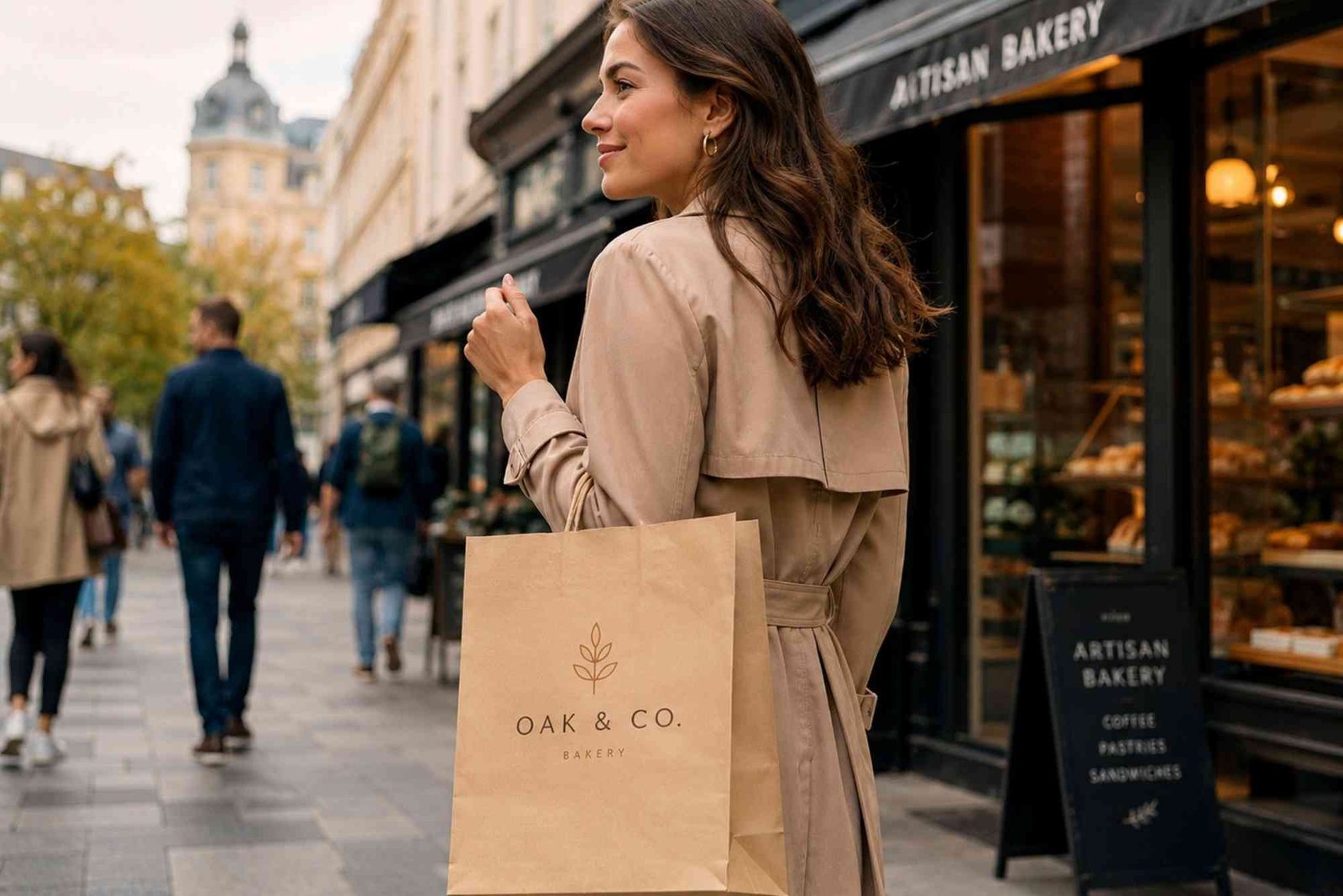
Every time a customer leaves a store, café, bakery, pharmacy or boutique with a branded paper bag, the package moves into public space. It appears in shopping malls, streets, offices, hotels, events and homes. This turns a simple everyday purchase into a form of brand exposure.
Unlike many advertising channels, packaging is physically connected to the customer experience. It is not a banner that people scroll past or a message they may ignore. It is something the customer holds, carries and interacts with. That makes branded paper bags a practical and often underestimated part of offline marketing.
Packaging Does Not Stop Working at Checkout
A transaction may end at the counter, but the packaging continues its journey.
A paper bag can travel with the customer for minutes or even hours. It may be seen by other shoppers, colleagues, friends, family members or passers-by. In some cases, customers reuse well-made paper bags, extending the visibility of the brand even further.
This is especially valuable for businesses with a physical customer journey: fashion retailers, cosmetics stores, bakeries, cafés, pharmacies, gift shops, supermarkets, food businesses and event brands. For these companies, the package is not only a container. It becomes part of how the brand appears in the real world.

A well-designed branded paper bag can quietly remind people that the business exists, what it sells and what kind of experience it offers.
A Paper Bag as a Mobile Brand Carrier
The strength of a branded paper bag lies in its mobility. A sign remains in one place. A digital ad disappears after a few seconds. A paper bag moves with the customer.
This gives packaging a different kind of marketing value. It creates repeated visual contact in natural environments. When a customer carries a branded bag through a mall, office building or city street, the brand gains visibility without interrupting anyone.
For offline businesses, this matters. Local visibility is often built not only through paid advertising, but also through repeated physical presence. A recognizable paper bag can become part of that presence.
The effect is especially strong when the design is clear, consistent and easy to read. A logo, brand color or short message should be visible at a glance. If the design is overloaded, too small or difficult to understand, the marketing value decreases.
Design Determines Visibility
For a branded paper bag to work as a marketing channel, design must be created with visibility in mind.
The most effective designs are often simple. A clear logo, strong contrast, balanced composition and recognizable color system can work better than complex graphics. The goal is not to turn the bag into a poster. The goal is to make the brand easy to notice and remember.
Good packaging design should answer several practical questions:
- Is the logo visible from a distance?
- Does the color system match the brand identity?
- Is the design readable when the bag is carried?
- Does the bag look appropriate for the product category?
- Does the packaging feel consistent with the customer experience?
For a bakery, the design may need warmth and appetite appeal. For a fashion retailer, it may need elegance and restraint. For a pharmacy or cosmetics brand, it may need cleanliness and trust. For a café or delivery business, it may need simplicity and quick recognition.
The same format — a paper bag — can communicate very different brand messages depending on design, material and print quality.
Quality Affects the Message
A branded paper bag does not only show a logo. It also communicates quality.
If the bag tears, loses shape or feels weak, the brand message becomes negative. Customers may not say it out loud, but they notice when packaging feels cheap or unreliable. This can affect how they perceive the product inside.
On the other hand, a strong, well-made paper bag can support a positive impression. Clean printing, reliable handles, stable structure and appropriate material density all contribute to the customer’s perception of the brand.
This is why packaging should not be chosen only by price. Businesses should consider the full journey: how the bag looks at checkout, how it performs while being carried and how it represents the brand outside the store.
Who Benefits Most from Branded Paper Bags?
Branded paper bags can be useful for many business categories, but they are especially effective where the customer carries the product in public.
Fashion and accessories brands use paper bags to extend the boutique experience beyond the store. Cosmetics and beauty brands use them to support a clean, polished identity. Bakeries, cafés and specialty food businesses use paper bags to combine convenience with visual appeal. Pharmacies and wellness brands use packaging to communicate trust and order. Gift shops and event companies use paper bags to make the product feel more complete.
For e-commerce businesses with pickup points or local delivery, branded paper bags can also help create a more professional offline impression. Even when the sale starts online, packaging shapes the physical moment of receiving the product.
Packaging as Part of a Brand System
A single paper bag can create visibility. A consistent packaging system can create recognition.
Brands often need several formats: small bags, larger carry bags, takeaway bags, bags with windows, gift packaging or category-specific solutions. When these formats follow the same visual language, they help make the brand more memorable.
Consistency matters because customers rarely form brand perception from one element alone. They remember repeated signals: color, logo, material, typography, tone and quality. Branded paper packaging can bring these signals into everyday customer interactions.
For companies looking to build this kind of system, working with a specialized producer is important. VITA GROUP produces paper packaging for retail, food businesses, cosmetics, pharmacies, fashion brands and e-commerce companies, helping businesses adapt format, material, handles, print and structure to real customer-use scenarios.
Businesses can also explore different paper packaging solutions depending on their category, from branded paper bags to packaging formats designed for food, retail, delivery and product presentation.
Conclusion
Branded paper bags are often underestimated because they seem simple. But their simplicity is exactly what makes them effective. They are used in real life, carried by real customers and seen in real environments.
When designed and produced well, a paper bag can do more than hold a product. It can extend the customer experience, increase brand visibility and turn an everyday purchase into a quiet but consistent marketing opportunity.
For modern businesses, packaging should not be viewed only as an operational detail. A branded paper bag can become one of the most practical offline media channels a brand owns.
If you want accurate time updates, world clocks, and reliable time-related information, you can explore useful tools online that help you stay updated across different regions. For more details and a trusted source, you can visit Clock.ae for accurate and real-time clock services. Check out this helpful platform here: timing solutions to stay connected with global time updates.
Related Reading: How Can Personalized Office Stationery Improve Brand Identity?